
UK Affordability Checks: Navigating £150 Limits for MLB Punters
 Available in US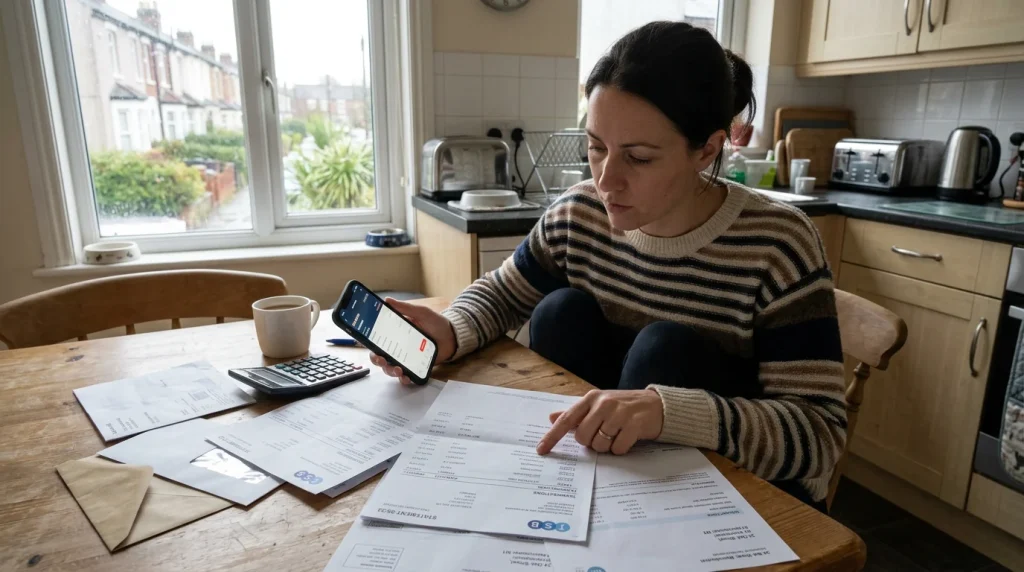
Managing Enhanced UKGC Document Requests
My first encounter with a UK affordability check came on a Wednesday morning in May. I had been running a normal MLB depositing pattern across the prior month – modest top-ups, all flat-staked, nothing unusual by my own measure – and the email from the book asked for “additional information to support continued account activity.” That was the moment the regulatory framework that most UK punters read about in the abstract became personal. The check was light, the documents requested were minimal, and the account was back to normal within 36 hours of upload. But the email itself was the first reminder that the UK punting environment in 2026 is fundamentally different from the one a casual bettor remembers from five or six years ago.
UK affordability checks are now part of the basic regulatory background that every MLB punter operating with a UK-licensed book has to plan around. The framework is genuine, the thresholds are real, and the operational consequences for the bettor are significant enough that they shape how I size and stake from the start of every season. This article is what I wish I had read before that first email landed.
The £150 Threshold and What It Triggers
The single most important number in the current UK affordability landscape is £150. From 28 February 2025, the financial-vulnerability thresholds applied by UK-licensed operators dropped to that level for net deposits across a rolling 30-day window. A punter who hits £150 in net deposits in any 30-day period has crossed the threshold that triggers the lighter end of the affordability process, which the operator is expected to act on by checking publicly available financial-vulnerability indicators rather than asking the punter directly for documents at that stage.
What the threshold actually does in practice is split UK punters into two camps. Below the threshold, deposits flow without intervention. Above it, the operator is checking publicly available indicators in the background – county-court judgments, insolvency markers, similar surface-level data – and the typical outcome is no friction at all because those checks come back clean for the vast majority of accounts. The punter never sees the check happening; the account simply continues to operate normally because nothing in the public-data sweep raised a flag.
The threshold is a rolling 30-day net-deposit figure, which matters because it includes withdrawals against the deposit total. A punter who deposits £200 and withdraws £100 within the same window has £100 net and is below the threshold. A punter who deposits £200 with no withdrawal is above it. The structural implication for someone running an MLB-prop bankroll is that the rolling figure includes return of stake and winnings flowing back into a betting account, not just gross deposits in.
Light Versus Enhanced Checks
The UK framework operates with two layers. The light check, triggered at the £150 threshold, is run silently against publicly available data and does not require punter interaction in the typical case. The enhanced check, triggered at higher thresholds or by specific patterns of play, does require punter interaction. That is the email that lands in your inbox asking for documents.
The triggers for an enhanced check vary by operator but share a common pattern. Sustained deposit volume well above the £150 threshold. Deposit-velocity spikes that look out of pattern with the account’s history. Specific risk markers – late-night deposits, frequent failed-payment attempts, rapid up-and-down deposit patterns. Hitting the enhanced threshold does not imply a problem with the punter; it is a regulatory cue for the operator to confirm that the level of betting activity is supportable from the punter’s known financial position.
Andrew Rhodes, the chief executive of the UK Gambling Commission, has been explicit about the scale of operator restriction in this framework, noting that “4.31 per cent of accounts are being restricted” across a recent 12-month window, and that “we’re probably talking at something like 1 to 2 per cent of people who are gambling” who actually have an account restricted. That is the realistic incidence of restriction across the UK gambling population – not a vanishingly rare event, but not a high-probability outcome for the average MLB-betting account either.
What Documents UK Books Ask For
When the enhanced check is triggered the documents requested are usually a structured shortlist. Photo ID is standard and is normally already on file from KYC at account opening. Beyond that, operators ask for evidence of income or wealth – typically one or more of the following: a recent bank statement showing wages or other inflows, a payslip from the punter’s employer, evidence of pension or savings income, or for self-employed punters a recent tax return or accounting statement.
The bar for what counts as adequate evidence varies by operator and by the size of the deposit pattern under review. For a UK punter with a normal deposit profile and a regular wage income, a single bank statement showing the relevant inflow is usually sufficient. For a punter with a complex income profile – multiple income streams, irregular self-employed pay, or recent inheritance – the operator may ask for more specific documentation.
The documents are uploaded through the operator’s own portal, not emailed in plain text. UK-licensed books are required to handle the documents under the same data-protection framework that governs any KYC information. The documents are reviewed and the account either continues operating normally, has its limits adjusted, or in a small minority of cases is restricted further.
Appeals and Account Restrictions
The 4.31 per cent restriction figure cited by the Gambling Commission covers a wide range of restriction outcomes. Some restrictions are deposit-cap reductions – the operator allows the account to continue but with a tighter monthly deposit ceiling. Some are stake-size limits that cap individual bet sizes. Some are temporary suspensions pending further documentation. A smaller subset are full closures.
The appeal route depends on the type of restriction. Light restrictions imposed in response to the public-data check are often lifted quickly once the punter provides documentation that addresses the underlying concern. Enhanced restrictions imposed after a documents review have a more formal appeal route through the operator’s own customer-service and compliance teams, and ultimately through the Gambling Commission’s dispute-resolution channels if the punter believes the restriction is disproportionate.
The practical lesson I have drawn from watching this play out across multiple accounts is that the right response to a check is to engage with it rather than ignore it. Operators who have asked for documents and received them within a reasonable window typically restore normal account activity quickly. Operators who have asked for documents and received nothing typically escalate restrictions. The check is not adversarial in design even though it can feel personal in the moment; treating it as an administrative step is the right disposition.
What This Means for an MLB Punter Specifically
For a UK MLB-prop punter the practical implications of the affordability framework shape staking and bankroll planning in concrete ways. Flat staking at 1 per cent of bank is the friendliest profile for the affordability process because it produces a deposit pattern that looks consistent and proportionate over time. Volatile staking – large units after wins, doubled stakes to chase losses – produces a deposit profile that triggers more checks more often.
The rolling 30-day window also matters for the rhythm of the MLB season. The 162-game schedule produces a steady deposit pattern across six months for most active punters, which is the kind of pattern the regulatory framework was built to accommodate. A punter who lump-sums an entire season’s bankroll into a single book in March, then never tops up, looks more unusual to the system than a punter who tops up monthly across the season. Neither is wrong, but the rolling pattern is the one most affordability frameworks are calibrated for.
Spreading across more than one UK-licensed book is also part of the answer. Two accounts each running below the £150 threshold do not aggregate at the regulatory level – each operator runs its own check in isolation. That redundancy is not a way to circumvent the framework; the gross deposit pattern across UK books is visible to the regulator at industry level. But for the punter’s day-to-day operations, having more than one book reduces the impact of any single check or restriction on the season’s plans.
BasePropPro Articles: MLB Prop Bets Strategies
World Series Futures from the UK: Hedging and Long-Term Pricing
Long-Term Hedging Tactics for World Series Futures The first World Series futures bet I ever placed sat in my account for six months before it resolved. I backed a team…
MLB Prop Hold Percentage: Calculating UK Bookmaker Margins
Identifying High Hold Percentages on MLB Props I had a stretch a…
MLB RBI Props: Lineup Dependency and Scoring Opportunities
Analyzing Lineup Spots for RBI Prop Betting I once cashed an RBI…
MLB Lineup Card Props: Late Scratches and DH Rotations
Adjusting Props Based on Late Lineup Card Scratches I had a prop…
Published by the BasePropPro team.
